A tattoo is permanent — which means the thinking that goes into it should be thorough. The right ChatGPT prompts for tattoo designs help you explore your concept more deeply, research styles that suit your aesthetic, make confident decisions about placement and size, and describe your vision clearly to an artist before you sit in the chair.
Below are 36 prompts across four stages: concepts and meaning, styles and AI visuals, placement and planning, and working with your artist. They work in ChatGPT or any other AI chatbot, whether you are planning your first tattoo or adding to a collection.
How to Use ChatGPT Prompts for Tattoo Designs
AI is a great planning partner, but your artist is the expert. Use these prompts to:
Clarify the meaning: know what the tattoo represents before deciding how it looks
Create references, not final art: AI images help explain your idea, and a skilled artist will adapt them to skin and your body
Check translations and symbols: confirm any foreign-language text with a fluent speaker, and research cultural or religious symbols respectfully
Leave health questions to professionals: follow your artist’s aftercare instructions and ask a doctor about any skin or health concerns
Model choice matters too. Claude Sonnet 5 is thoughtful for exploring meaning and symbolism, and Nano Banana Pro turns your concept into visual references you can show your artist.
ChatGPT Prompts for Tattoo Designs: Concepts and Meaning
The best tattoos start with a clear idea. The AI idea generator can widen your options, and Gemini 3 Pro is useful for researching the history behind symbols.
1. Concept developer
Help me develop a tattoo concept. The meaning I want to capture is [describe]. Suggest five visual concepts ranging from literal to abstract. For each, describe the imagery, how it connects to the meaning, a style that would suit it and what makes it feel personal rather than generic.
2. Symbolism researcher
Explain the symbolism of [symbol, flower, animal or motif] across different cultures and time periods, any meanings I should be aware of, and whether it has cultural or religious significance I should approach respectfully. Flag anything I should verify further.
3. Memorial tattoo concept
I want a tattoo to remember [person or pet]. Ask me gently about what they loved, a shared memory and what I most want to carry with me, then suggest three concepts that feel personal rather than traditional memorial imagery.
4. Combining elements
I want to combine [element A], [element B] and [element C] in one tattoo. Suggest three compositions that integrate them naturally without looking crowded, and which style would hold them together.
5. Script and lettering ideas
I want a word or short phrase tattoo that means [meaning]. Suggest ten options, the lettering styles that would suit each, and remind me to confirm any translation with a fluent speaker before getting it inked.
6. Matching or couple tattoos
Suggest ten ideas for matching tattoos with my [friend / sibling / partner] that represent [shared memory or bond], including designs that work as a pair but also stand alone.
7. First tattoo ideas
This will be my first tattoo. I like [interests and aesthetics]. Suggest ten small, meaningful designs that age well, with placement ideas that are easy to live with for a first piece.
8. Cover-up concept
I want to cover an existing tattoo of [describe design, size and colour]. Suggest cover-up concepts that could work, the styles artists often use for cover-ups and questions to ask a specialist.
9. Nature and botanical personalisation
Suggest plants, flowers or natural elements that could represent [values, places or people in my life], and how to arrange them into one personal botanical design.
ChatGPT Prompts for Tattoo Designs: Styles and AI Visuals
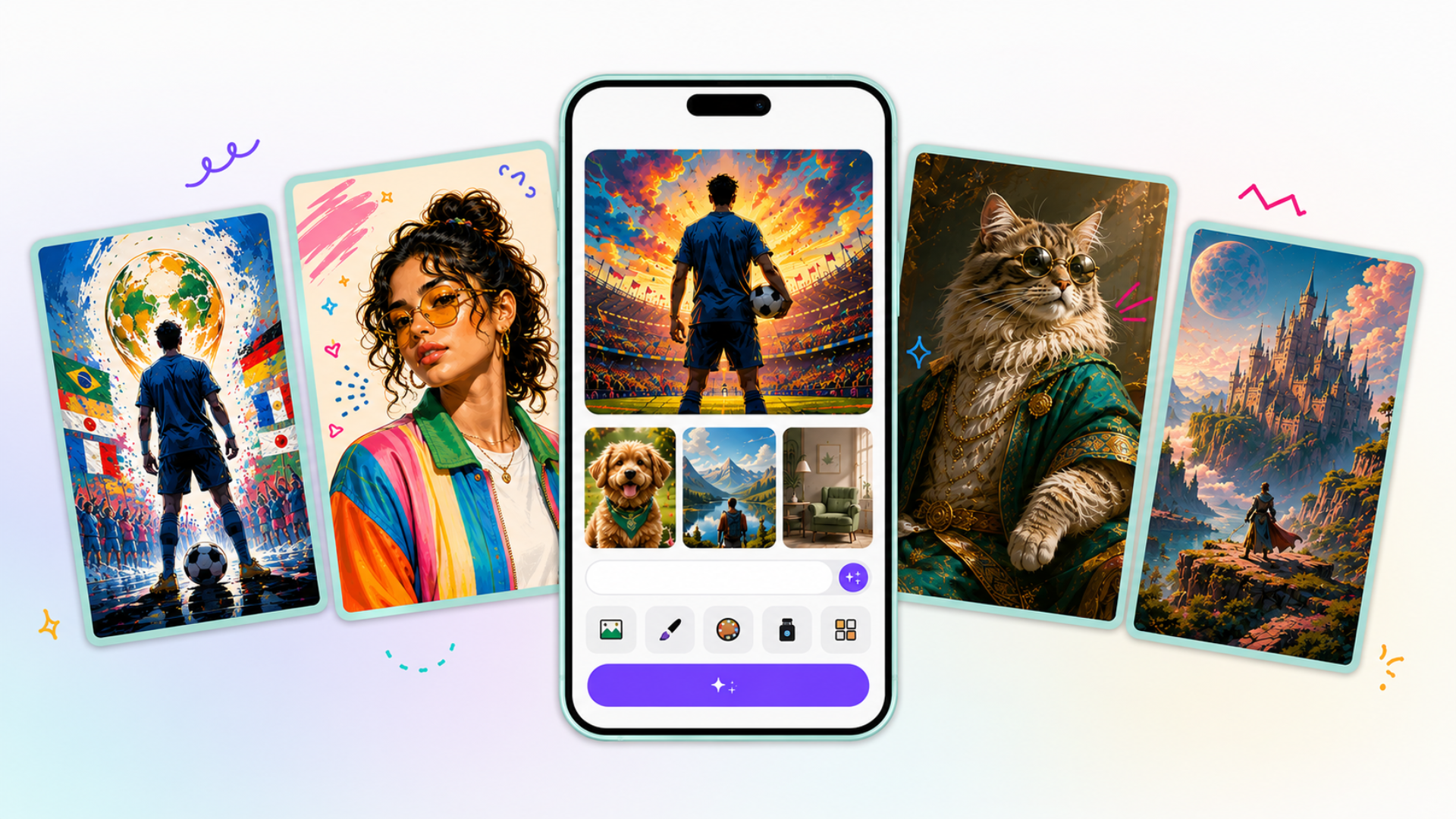
Seeing an idea makes decisions easier. Generate reference images with GPT Image 2.5 Flare or the AI art generator, then share them with your artist as inspiration rather than finished designs.
10. Style explorer
My concept is [describe]. Show me how it would look in six styles — fine line, American traditional, blackwork, watercolour, neo-traditional and realism. For each, describe the look, how it ages and what kind of artist specialises in it.
11. AI image prompt writer
Turn my tattoo concept into a detailed image prompt: [concept]. Include the style, line weight, shading, colour palette, composition and ‘tattoo flash on white background’ so the result works as a reference.
12. Fine line design
Create an image prompt for a delicate fine line tattoo of [subject], single-needle linework, minimal shading, clean negative space, black ink on white background, tattoo flash style.
13. Traditional flash
Create an image prompt for an American traditional tattoo of [subject], bold black outlines, limited palette of red, yellow, green and black, solid colour fills, classic flash sheet style.
14. Blackwork and geometric
Create an image prompt for a blackwork geometric tattoo combining [subject] with sacred geometry patterns, dotwork shading and strong symmetry, black ink only, on a white background.
15. Watercolour tattoo
Create an image prompt for a watercolour tattoo of [subject] with soft colour splashes in [colours], a light black outline for structure and paint-like bleeding edges, on a white background.
16. Japanese-inspired design
Explain the traditional elements of Japanese tattooing — such as koi, waves, peonies and wind bars — what they commonly symbolise, and how to approach a Japanese-inspired piece respectfully with an artist experienced in the tradition.
17. Minimalist symbol
Simplify my concept — [describe] — into five minimalist designs using as few lines as possible, and explain which would stay readable as the tattoo ages.
18. Realism pet portrait
I want a realistic portrait tattoo of my [pet]. Explain what makes a good reference photo, the details a realism artist will need and whether black and grey or colour would suit this subject.
ChatGPT Prompts for Tattoo Designs: Placement, Size and Planning
Placement changes how a design reads. Use image to image to preview a reference on a photo of the area, and GPT-6 Astra to plan large, multi-session pieces.
19. Placement advisor
My design is [describe shape and size]. Compare four possible placements on the body, covering how the design would flow with the body’s shape, visibility, how it may age and what to discuss with my artist.
20. Size and detail check
My design has [level of detail]. Explain how small it can realistically go before details blur over time, and what to simplify if I want it smaller.
21. Sleeve or collection planner
Help me plan a [sleeve / back piece / collection] around the theme [theme]. Suggest the main piece, supporting elements, filler ideas, how to keep a consistent style and the order to get them done.
22. Tattoo ageing advisor
Explain how my design — [describe style, size, colours and placement] — is likely to age over 10 to 20 years, and what design choices would help it stay clear.
23. Flow with existing tattoos
I already have these tattoos: [describe styles and placements]. Suggest where a new piece of [concept] could go and how to make it feel connected rather than random.
24. Visibility and lifestyle
I work as a [job] and my lifestyle includes [sports, sun exposure, clothing]. Help me think through placements that fit how visible I want the tattoo to be and how I live.
25. Colour or black and grey
Help me decide between colour and black and grey for my design, considering my skin tone, the style, how colours tend to age and what I want the tattoo to feel like. List the questions to confirm with my artist.
26. Session planning
For a [size and style] tattoo on my [placement], what should I generally expect about the number of sessions, healing time between them and how to prepare for a long session? Remind me to confirm details with my artist.
27. Budget planning
Help me plan a budget for a [size and style] tattoo, including the factors that affect price, what a deposit usually covers, tipping norms in [country] and why choosing on price alone is risky.
ChatGPT Prompts for Tattoo Designs: Working with Your Artist
A clear brief leads to a better tattoo. The AI email writer helps with booking enquiries, and Claude Haiku 4.5 is quick for last-minute questions before your consultation.
28. Artist brief writer
Turn my ideas into a clear brief for my tattoo artist: [paste notes]. Include the meaning, key elements, preferred style, size, placement, colour, what I definitely do not want and how much creative freedom I am happy to give.
29. Artist selection guide
Help me choose the right artist for a [style] tattoo. Explain what to look for in a portfolio, healed-work photos, studio hygiene and reviews, and the red flags to avoid.
30. Questions to ask your artist
List 12 questions to ask a tattoo artist before booking, covering their experience with my style, the design process, revisions, pricing, sessions and aftercare.
31. Consultation prep
Help me prepare for my tattoo consultation: what to bring, how to explain my idea in two minutes, which references to show and what decisions I should be ready to make.
32. Reference board
Help me organise a reference board for my artist: which images show the subject, which show the style, which show the mood, and a short note on what I like about each.
33. Sketch feedback
My artist sent a sketch and I want a few changes: [describe]. Help me write polite, specific feedback that respects their expertise and explains what I would like adjusted.
34. Booking enquiry
Write a short booking enquiry to [artist or studio] for a [style] tattoo of [concept] on my [placement], around [size], including my availability and a request for their process and pricing.
35. Aftercare question list
Write a list of aftercare questions to ask my artist before I leave the studio, so I can follow their specific instructions, and a note on when to contact a doctor instead.
36. Final decision check
Ask me ten honest questions to check I am ready for this tattoo — about the meaning, the design, placement, timing and how I will feel about it in 20 years — then summarise whether I seem ready or should wait.
Plan Your Tattoo with ChatGPT Prompts for Tattoo Designs in Chat Smith
Chat Smith gives you ChatGPT alongside Claude, Gemini, Grok and DeepSeek, plus image models, in one app. Develop your concept, create reference images and write your artist brief in the same place, and save your favourite prompts for future pieces.
Use Gemini 3.5 Flash for quick style comparisons on the go. Take your time — a tattoo planned carefully, with a skilled artist, is one you will love for years.
ChatGPT prompts for tattoo designs are detailed instructions describing a tattoo's style, subject, placement, and mood, which ChatGPT turns into a clear concept description for an artist or an image tool. Chat Smith makes it easy to draft and refine these prompts using ChatGPT alongside other AI models.
The Chat Smith Editorial Team brings together AI enthusiasts, researchers, and creators to make AI accessible and practical. We share trends, tool reviews, and actionable guides that help individuals and businesses stay informed, boost productivity, and get more from AI.