logoChat Smith
AI Guide

What is GPT Image? A Deep Dive into ChatGPT’s Image Generator

In this article, we will explore what GPT Image is, how it works, what makes it different from previous AI image generators, and where it fits in real-world use.
What is GPT Image? A Deep Dive into ChatGPT’s Image Generator
C
Chat Smith
Aug 31, 2025 ・ 7 mins read

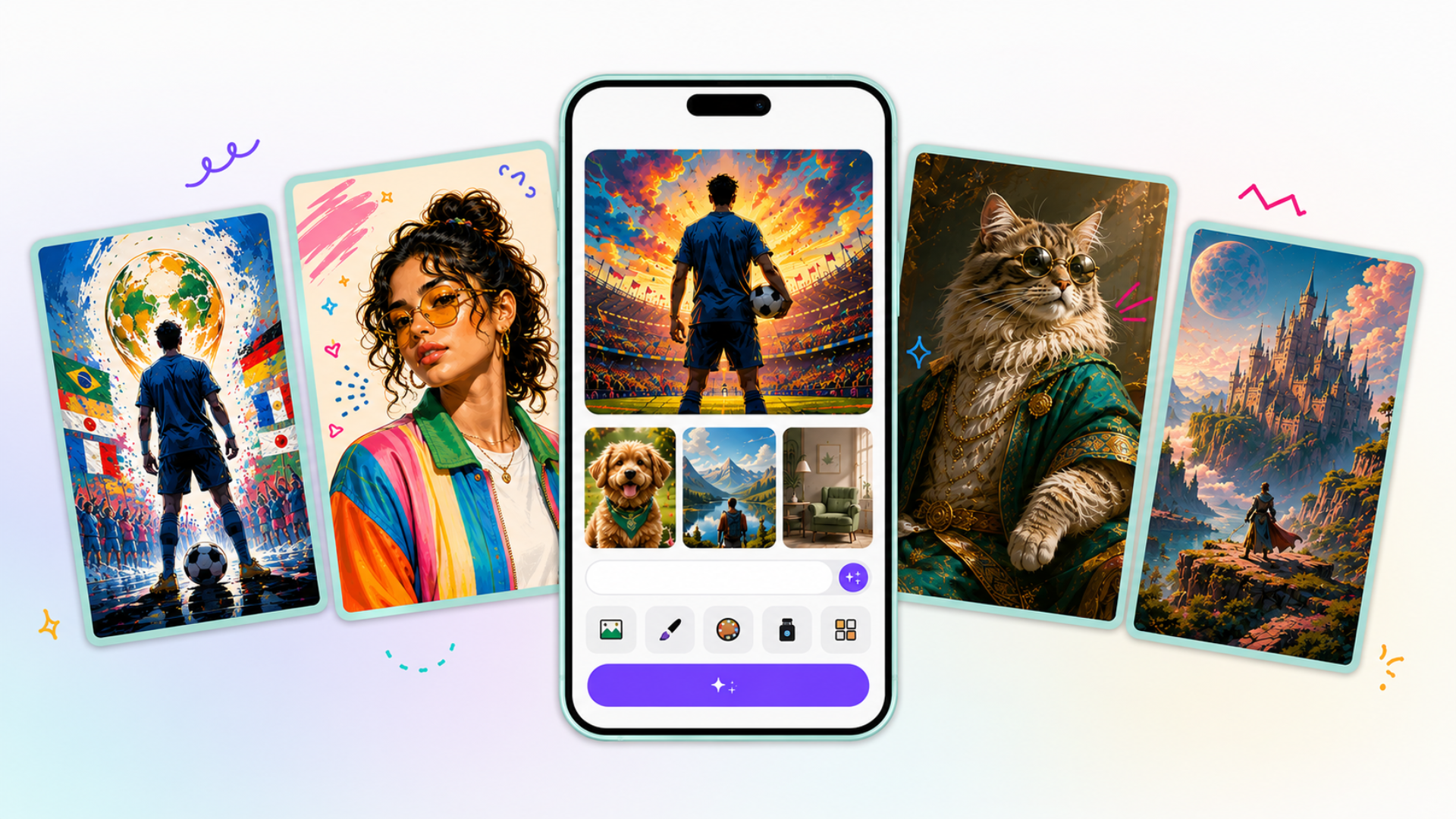
AI image generation has moved far beyond novelty. What started as simple text-to-image experiments has evolved into tools that are increasingly usable in real creative, professional, and everyday contexts. GPT Image represents a major step in that evolution.

Rather than treating image generation as a separate or experimental feature, GPT Image brings visual creation into the broader GPT ecosystem. It connects language understanding, reasoning, and visual output in a way that feels more integrated and controllable than earlier approaches.

In this article, we will explore what GPT Image is, how it works, what makes it different from previous AI image generators, and where it fits in real-world use. We will also look at how platforms like Chat Smith make GPT Image more practical by combining it with other AI models in a single, flexible experience.

What is GPT Image?

GPT Image refers to the image generation capability within the GPT model ecosystem. Instead of being a standalone image model with limited language understanding, GPT Image is tightly connected to GPT’s natural language and reasoning abilities.

This means GPT Image does more than just convert text prompts into visuals. It understands intent, context, and descriptive nuance at a deeper level. Users can describe scenes, styles, emotions, or concepts in natural language, and GPT Image translates those ideas into visual output that aligns closely with the prompt.

Because it is part of the GPT system, GPT Image benefits from the same improvements in instruction following and contextual understanding that define modern GPT models.

Why GPT Image matters

Earlier AI image generators were powerful, but often unpredictable. Small changes in prompts could lead to wildly different results, and refining an image frequently meant trial and error.

GPT Image changes that dynamic by grounding image generation in stronger language understanding. Prompts feel more conversational and less technical. Users can iterate naturally, refining details step by step rather than starting over each time.

This makes GPT Image more accessible to non-designers and more efficient for professionals. Instead of learning prompt “hacks,” users can focus on describing what they actually want to see.

GPT Image also reflects a broader trend: visual creation becoming a natural extension of AI-assisted thinking rather than a separate skill.

How GPT Image works in practice

GPT Image uses textual input as the primary interface, but the underlying system interprets much more than keywords. It analyzes tone, relationships between objects, implied context, and stylistic cues.

For example, asking for “a calm, minimalist illustration of a person working late at night” produces very different results from a generic “person working at night.” GPT Image understands the emotional and stylistic intent behind the words, not just the objects mentioned.

Because GPT Image is part of a conversational system, users can refine outputs naturally. They can ask for changes in lighting, composition, mood, or detail without rewriting the entire prompt.

This conversational iteration is one of the biggest practical advantages of GPT Image over earlier image generation tools.

Core capabilities of GPT Image

GPT Image excels at turning abstract ideas into visuals. It handles descriptive prompts, stylistic direction, and contextual detail with a high degree of consistency.

It is particularly strong at:

  • Conceptual illustrations
  • Creative visuals
  • Stylized artwork
  • Simple product visuals
  • Social and editorial imagery

While GPT Image is not intended to replace professional design tools in every scenario, it dramatically lowers the barrier to creating usable visuals quickly.

Because it is integrated with GPT’s reasoning, GPT Image can also respond intelligently to follow-up instructions, making refinement faster and more intuitive.

Real-world use cases for GPT Image

GPT Image is increasingly used in everyday creative and professional contexts.

Content creators use GPT Image to generate visuals for blog posts, presentations, and social media. Instead of searching for stock images, they can create visuals tailored to their exact message.

Product teams use GPT Image to visualize ideas early in the design process. It allows them to explore concepts, layouts, and moods before committing resources to detailed design work.

Educators and learners use GPT Image to illustrate concepts, making explanations more engaging and easier to understand.

For individuals, GPT Image opens up creative expression without requiring design skills. People can create art, visuals, or personal projects simply by describing their ideas.

GPT Image vs Traditional AI Image Generators

Traditional AI image generators often operate as separate tools with limited understanding of user intent. Prompts must be carefully engineered, and iteration can feel fragmented.

GPT Image stands out because it is embedded within a language-first system. This allows users to communicate visually the same way they communicate verbally. Instead of mastering a new interface, they use natural language.

The result is a smoother creative process, especially for users who think in words rather than visual parameters.

GPT Image in multi-model AI platforms

As with language models, no single image generation approach fits every use case.

Multi-model platforms like Chat Smith reflect this reality by offering GPT Image alongside other AI image models. Users can choose the model that best matches their needs, whether they want fast concept art, higher realism, or different stylistic outputs.

In Chat Smith, GPT Image becomes part of a broader creative workflow. Users can brainstorm ideas with text-based models, generate visuals with GPT Image, and refine concepts across different models without leaving the platform.

This integration reduces friction and makes AI-assisted creativity feel cohesive rather than fragmented.

Limitations of GPT Image

Despite its strengths, GPT Image is not a replacement for professional design in every scenario.

It may struggle with highly specific brand guidelines, exact typography, or production-ready assets that require pixel-perfect precision. For these use cases, traditional design tools and human designers remain essential.

GPT Image also works best when prompts are clear and intentional. While it handles natural language well, vague descriptions can still lead to ambiguous results.

Understanding these limitations helps users set realistic expectations and use GPT Image where it shines most.

When GPT Image is the right choice

GPT Image is ideal when speed, creativity, and accessibility matter more than technical precision. It works best for concept exploration, creative visuals, and rapid iteration.

It may not replace specialized tools for detailed production work, but it significantly accelerates the early stages of visual creation.

For many users, GPT Image transforms image generation from a technical task into a natural extension of thinking and communication.

Conclusion

GPT Image is not just another AI image generator. It is a step toward more intuitive, language-driven visual creation.

For creators, teams, and individuals who want to turn ideas into visuals quickly, GPT Image offers a powerful and accessible solution. When used within multi-model platforms like Chat Smith, it becomes even more useful as part of an integrated creative workflow.

Used thoughtfully, GPT Image makes visual expression faster, simpler, and more aligned with how people naturally think.

Frequently Asked Questions (FAQs)

1. What is GPT Image best used for?

GPT Image is best for generating creative visuals, illustrations, and concept imagery through natural language prompts.

2. How is GPT Image different from other AI image generators?

GPT Image is deeply integrated with GPT’s language understanding, making prompts more natural and iteration more conversational.

3. Can GPT Image be used alongside other AI models?

Yes. Platforms like Chat Smith allow GPT Image to be used alongside other text and image models for flexible creative workflows.

footer-cta-image

Related Articles