In July 2025, xAI decided to skip 3.5 entirely and dropped Grok 4, representing not just a fresh coat of paint but a ground-up rebuild with a whole new level of performance, a different way of thinking, and capabilities that make Grok 3 look like a relic from a bygone era.
Revolutionary Architecture
The most significant change in Grok 3 vs Grok 4 lies in the fundamental architecture. Grok 4 Heavy is a multi-agent system where instead of a single model tackling a problem, it spins up several AI agents that work on the same task in parallel, working independently, sharing insights, comparing results, and then converging on the best possible answer.
This collaborative approach represents a paradigm shift in how AI models solve problems. Rather than relying on a single reasoning pathway, Grok 4 Heavy can explore multiple approaches simultaneously, dramatically improving accuracy on challenging tasks.
Training and Development
Powered by 10x more reinforcement learning compute than Grok 3, Grok 4 shows true PhD-level reasoning across domains. They used their massive 200,000 GPU cluster, named Colossus, to refine Grok's reasoning abilities at a scale that matched its pretraining, making their training methods 6 times more compute-efficient and massively expanding their training data beyond just math and code to include many more domains.
Multimodal Capabilities
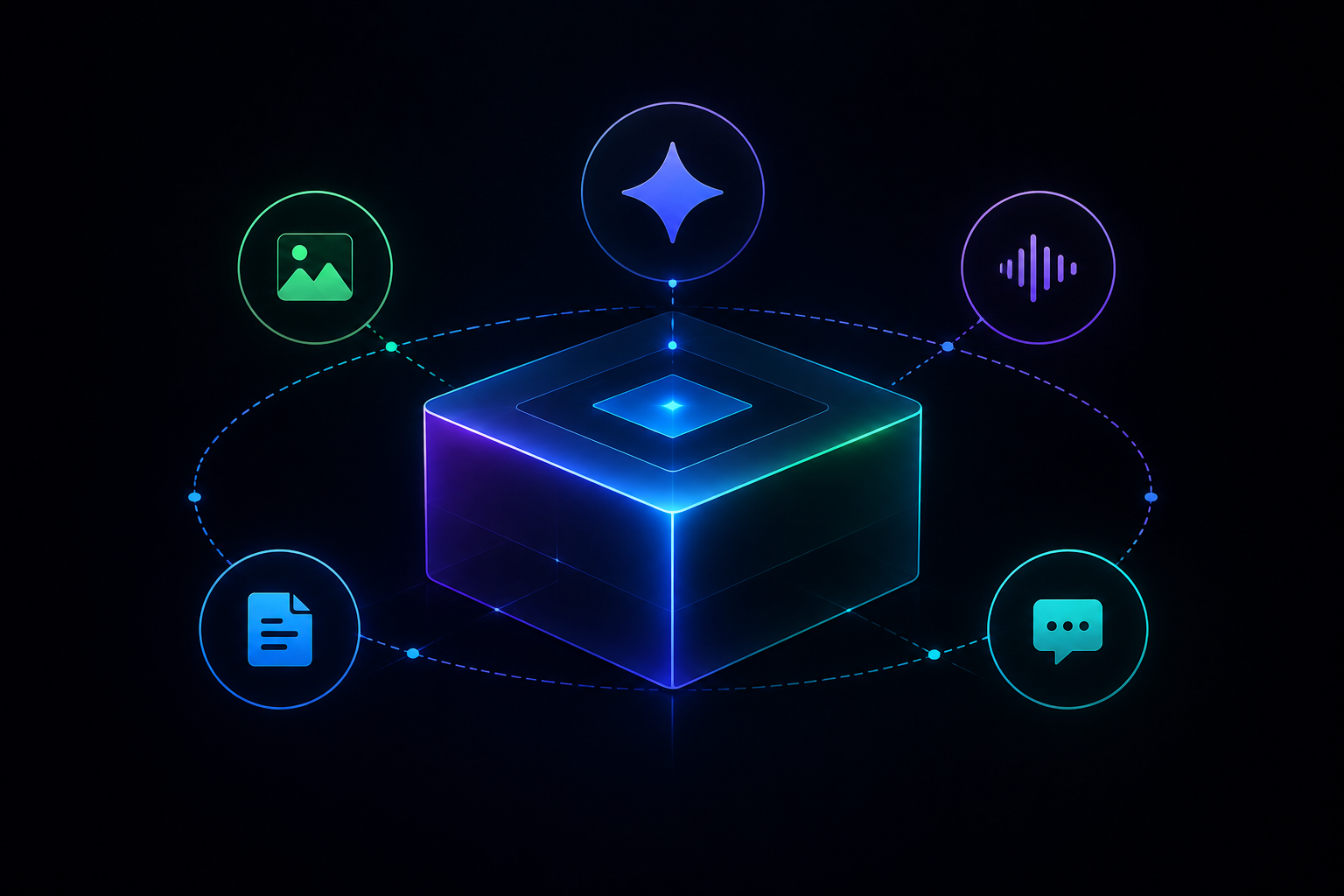
Grok 4 is multimodal, supporting both text and vision, meaning you can give it images and ask questions about them. This expansion beyond text-only interactions opens up entirely new use cases, from analyzing charts and diagrams to understanding visual content in documents.
Future updates promise even more. Voice mode integration allows for conversational interactions, while planned video generation capabilities will enable Grok 4 to create multimedia content directly.
Native Tool Integration
Grok 4 was trained with reinforcement learning to use tools, allowing it to augment its thinking with tools like a code interpreter and web browsing in situations that are usually challenging for large language models.
This means Grok 4 can autonomously decide when and how to use external tools, creating its own search queries and pulling real-time information from the web as needed. This agentic behavior makes it far more capable than models that simply respond to prompts.