"Vibe coding" went from an offhand post on social media to Collins Dictionary's Word of the Year for 2025 in a matter of months. It describes a new way of building software in which you tell an AI what you want in plain language, let it write the code, and steer by results rather than by reading every line.
This guide explains what vibe code and vibe coding mean, where the term came from, how vibe coding works, how it compares with traditional programming, the main tools, what people build with it, the risks, and tips for doing it well.
What Is Vibe Coding?
Vibe coding is a style of software development in which you describe what you want to an AI model in everyday language, let it generate the code, then test the result and keep refining through conversation. "Vibe code" is simply the code produced this way. The focus is on the outcome, whether the app works and feels right, rather than on writing or even fully reading the code yourself.
The term was coined in February 2025 by Andrej Karpathy, a founding engineer at OpenAI and former director of AI at Tesla, who described giving in to the vibes and being able to "forget that the code even exists." It spread quickly through developer and startup communities, and in November 2025 Collins Dictionary named "vibe coding" its Word of the Year, defining it as the use of AI prompted by natural language to assist with writing computer code.
Vibe coding is a casual, highly AI-driven form of natural language programming. It is made possible by large language models that have learned from huge amounts of source code and can turn a plain-language request into working software.
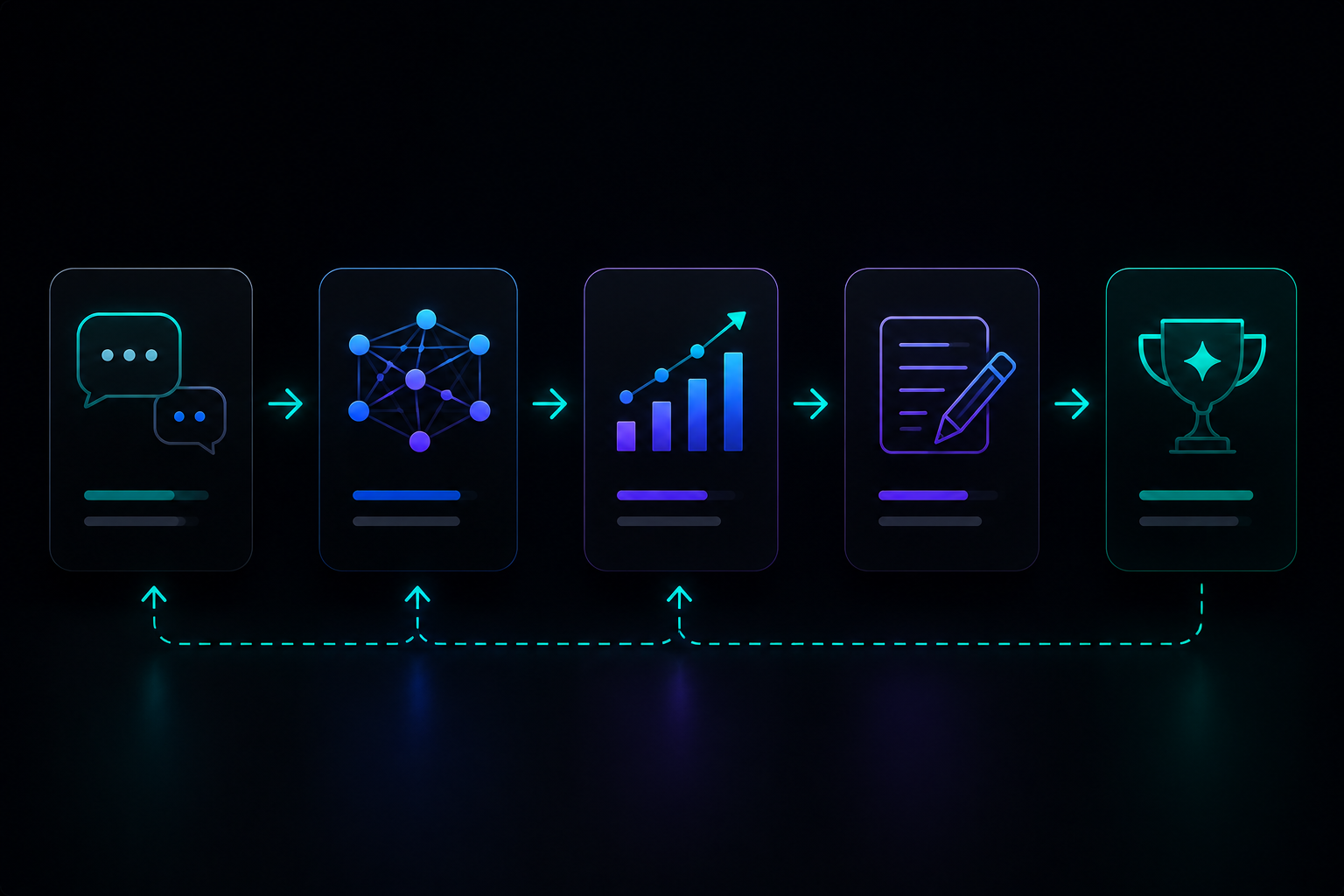
Vibe coding usually follows a simple loop. You describe what you want, the AI generates code, you run it and see what happens, and then you describe what to change, often by pasting an error message or simply saying what looks wrong. A typical first request might look like this:
Build a simple web page where I can add tasks, mark them as done, and filter by completed or active. Keep the design clean and minimal.
A follow-up might be as casual as:
The done button doesn't work on mobile, and can you make the colors warmer?
The person steering does not need to understand every line. They judge the result by trying it, which is exactly what makes vibe coding fast, and also what makes it risky for anything important.
Vibe Coding vs Traditional Coding
Vibe coding changes who does the typing and how decisions get made.
Traditional coding
Vibe coding
Who writes the code
The developer, line by line
Mostly the AI, guided by the user's descriptions
Planning
Specs and architecture before building
Start building and adjust as you go
How quality is checked
Code review and testing
Mostly by running the app and seeing if it works
Skill needed to start
Programming knowledge
Clear communication and patience
Best for
Large, long-lived, or critical systems
Prototypes, personal tools, and quick experiments
Many experienced developers now mix the two: they vibe code a first version to explore an idea, then switch to careful review and testing once the project needs to be reliable.
Popular Vibe Coding Tools
Most vibe coding happens in tools built specifically for working with code.
Tool type
What it does
Examples
AI app builders
Turn a description into a running web app in the browser, with hosting built in
Replit and similar browser-based builders
AI code editors
Add an AI assistant inside a full coding environment
Cursor, GitHub Copilot
Coding agents
Plan and make changes across a whole project, run tests, and fix errors
Claude Code, OpenAI Codex
General AI chatbots
Answer questions, explain snippets, and help plan ideas
ChatGPT, Claude, Gemini
Coding agents are a type of AI agent: instead of answering one question at a time, they take a goal and work through many steps on their own. A general AI chatbot is better for talking through an idea or understanding a snippet than for building a full project.
What You Can Build with Vibe Coding
Vibe coding shines for small, self-contained projects: a personal budget tracker, a landing page, a script that renames files, a quick internal dashboard, or a simple game. Founders use it to build a rough prototype in an afternoon to test whether an idea resonates before investing in a full product.
It has also opened software to people who never learned to code. Designers, marketers, teachers, and small business owners can now build tools that fit their exact needs, and beginners often find that seeing working code first, then asking how it works, is an engaging way to learn programming.
The same speed that makes vibe coding appealing can create problems when the stakes rise.
Risk
How to reduce it
Security holes, such as exposed passwords or unprotected data
Have security-sensitive code reviewed before going live
Code nobody understands
Ask the AI to explain key parts and keep notes on how things work
Bugs that only appear later
Test with real data and edge cases, not just the happy path
Projects that become hard to change
Use version control and clean up the code once the idea is proven
Over-reliance on AI
Learn the basics so you can spot when something is wrong
A good rule of thumb: vibe coding is great for things you can afford to throw away. For anything that handles money, personal data, or many users, someone needs to understand and check the code.
Tips for Better Vibe Coding
Start small and build in steps rather than asking for an entire app at once. Describe the goal, who will use it, and how it should behave, and mention any constraints such as the platform or design style. When something breaks, paste the exact error message and describe what you expected to happen.
Clear instructions matter just as much as in any AI conversation, which is why the habits from our guides to prompt engineering and AI prompt optimization carry straight over to vibe coding. Save working versions as you go, so you can always roll back if a change breaks something.
Where Chat Smith Fits in Vibe Coding
Chat Smith is not a coding tool, but it is useful in the steps around vibe coding. Before you build, you can use this free AI chatbot for Android, iOS, and the web to brainstorm app ideas with an AI idea generator, shape a rough plan with an AI business plan generator, or turn a vague idea into a clear, detailed description you can paste into your coding tool. Along the way, you can paste a short snippet or error message and ask models such as GPT-6 Sol, Claude Sonnet 5, or Gemini 3.5 Flash to explain what it means in plain language.
For writing and running the actual code, dedicated tools such as Claude Code, Codex, or an AI code editor are the better fit. Free Chat Smith users get limited use, and Chat Smith Pro raises those limits for $9.99 per month or $39.99 per year.
All signs point to yes. Vibe coding has made it possible for far more people to build software, and AI coding tools keep improving at writing, testing, and fixing code on their own. What is likely to change is how it is used: quick vibe-coded prototypes for exploring ideas, followed by more careful engineering for anything that needs to be secure and reliable. Used with that balance in mind, vibe coding is less about replacing programmers and more about letting anyone turn an idea into something they can try.
Vibe code, or vibe coding, refers to building software by describing what you want in plain language and letting an AI model generate the code, rather than writing every line by hand. The term captures a looser, more conversational way of coding, guided by intent and iteration instead of typed syntax.
The Chat Smith Editorial Team brings together AI enthusiasts, researchers, and creators to make AI accessible and practical. We share trends, tool reviews, and actionable guides that help individuals and businesses stay informed, boost productivity, and get more from AI.